

Day in the life13 min
What a shift in a supermarket bakery is really like, from lighting the ovens to the last reduced loaf, with the pay, hygiene rules and health risks to know.
By UK Retail Jobs editorial team — We write plain-English guides to finding and doing retail work in the UK. Every figure is checked against a named source.
This is a composite, built from supermarket bakery job adverts on Tesco's and Morrisons' careers sites, the National Careers Service profile for bakers, and official guidance from GOV.UK and the Health and Safety Executive (HSE). "Sam" is not a real person, and the shift times are an example, not any one shop's rota. Every figure comes from a named source, listed at the end.
You smell a supermarket bakery before you see it. Warm bread near the entrance is no accident. Someone started work hours before the doors opened to get it there. That someone is the in-store bakery assistant, and this is what their day looks like.
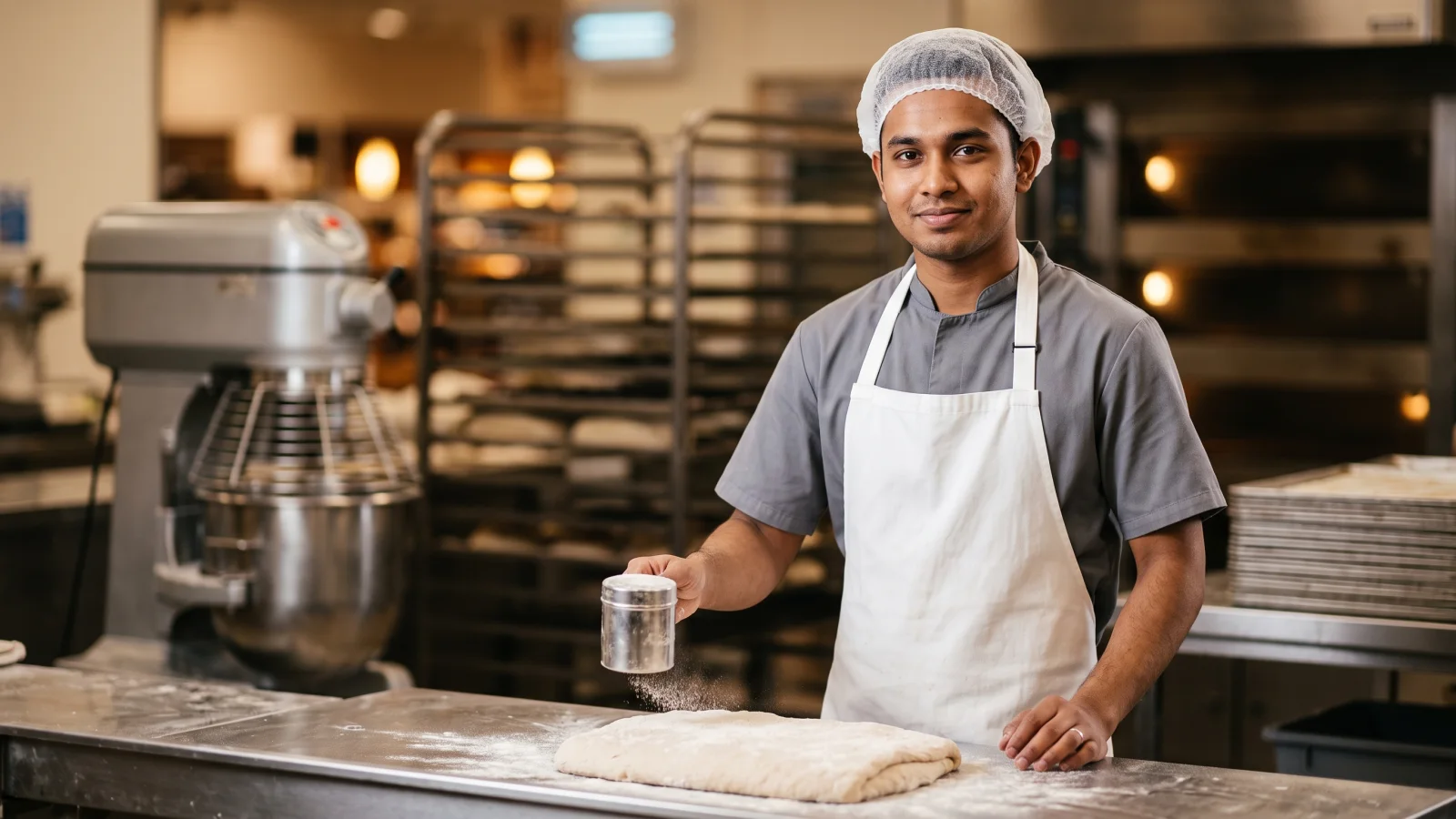
A bakery assistant bakes, packs and displays the bread, rolls and cakes sold in a supermarket's own bakery. You also keep the area clean, follow strict food hygiene rules and help customers with questions about the products.
The work varies with the store. Some bakeries make products from scratch, mixing dough and shaping it by hand or machine. Others mostly "bake off", which means finishing products that arrive part-made or frozen. Many do a bit of both.
When we checked in September 2026, Tesco's Skilled Baker adverts asked for "baking in waves" of scratch products, so fresh stock comes out through the day. Morrisons' Market Street Baker adverts listed breads, rolls, doughnuts and fruited products, made to the company's specification using ovens, provers and mixers.
Job titles vary, so search for more than one. You will see:
Early. Bread needs to be on the shelves when the store opens, so many bakery shifts start before dawn, and some run through the night.
Sam's week is a mix of early starts and one late shift. Here is a typical early shift:
| Time | What Sam is doing |
|---|---|
| 5:00am | Arrives, changes into uniform, ties hair back, puts on a hat and washes hands |
| 5:15am | Checks the ovens and mixers are safe, then reads the day's bake plan |
| 5:30am | First bake: rolls and loaves go into the ovens |
| 7:00am | Stacks the shelves before the doors open |
| 8:00am | Store opens; second bake of pastries and doughnuts |
| 10:30am | 20-minute break |
| 11:00am | Bags, labels and dates products; cleans down |
| 12:30pm | Third bake for the lunchtime rush |
| 1:30pm | Hands over to the afternoon colleague and leaves |
Real rotas vary a lot. When we checked in September 2026, one Tesco Skilled Baker advert in Exeter listed availability windows from 10pm to 6am on three weeknights, plus a Saturday morning. A Tesco Trainee Baker advert in Inverness listed daytime windows from 6am. If you want to know more about working through the night, our guide to night-shift retail jobs covers the pay, hours and health side.
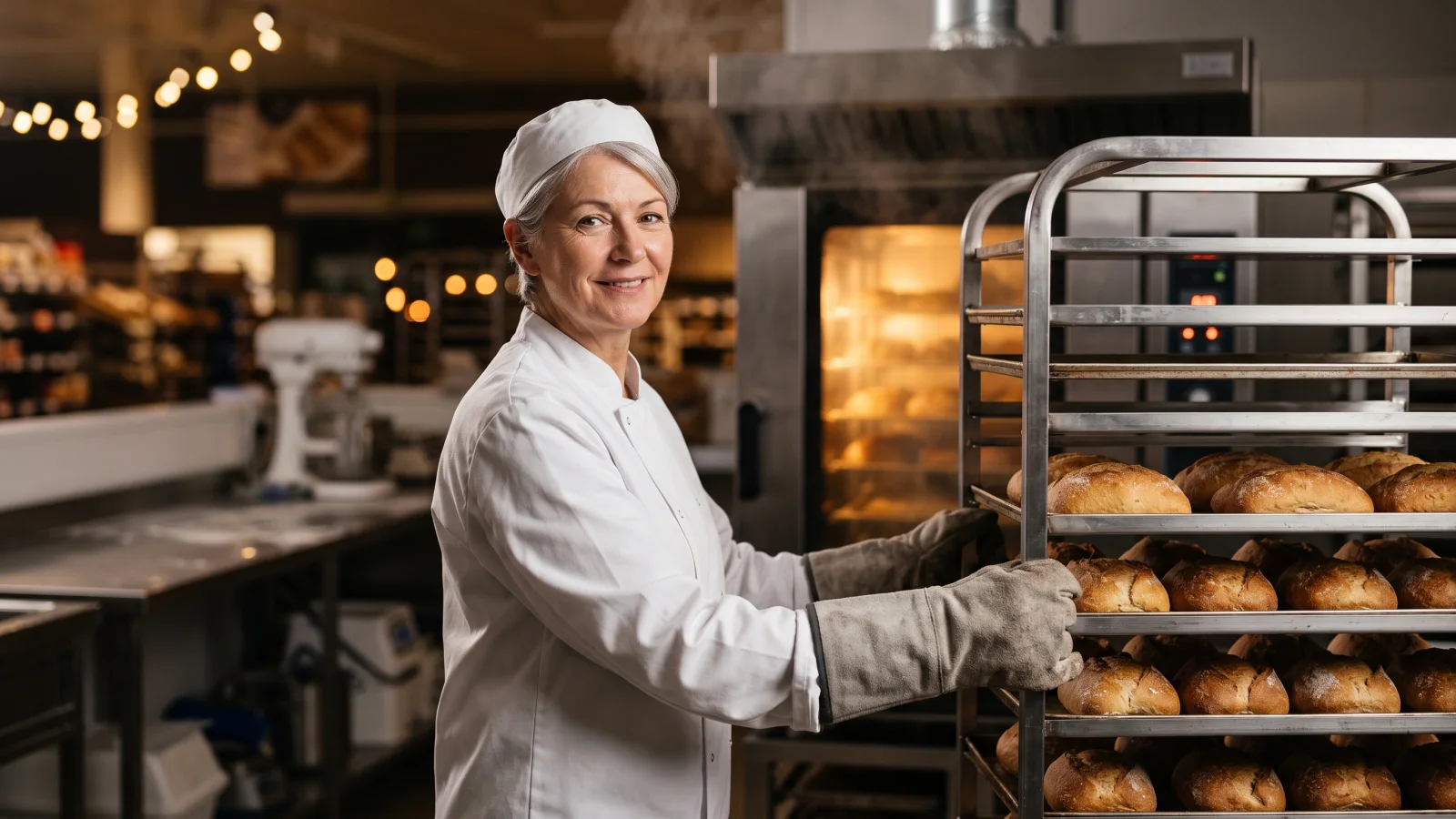
The first hour is about getting the ovens going safely and knowing what to bake. Nothing goes in an oven until the equipment is checked and you know how much of each product the store needs.
Bakery machines are powerful. Mixers, dough dividers and slicers can cause serious injuries. Tesco's Skilled Baker advert asks colleagues to check that emergency stop buttons and machinery are working before use. If you have not used a machine before, ask for training first.
This is one reason many bakery adverts are for over-18s only. Tesco's bakery adverts said "you must be over 18" when we checked, and Morrisons says some of its roles need you to be 18 for health and safety reasons.
Most supermarkets give the bakery a plan for the day. It says what to bake and roughly when. The goal is simple: enough fresh bread for customers, but not so much that it ends up reduced or thrown away.
You learn to read the plan against what is happening on the shop floor. A sunny Saturday may need more rolls. A wet Tuesday afternoon may need fewer. Over time, you get a feel for it.
Dough needs time to rise before it goes in the oven. This happens in a prover, a warm, damp cabinet. Timing is everything. Under-proved bread is heavy, and over-proved bread collapses.
Once products come out, they cool on racks before they are packed. Hot bread in a sealed bag sweats and goes soggy.
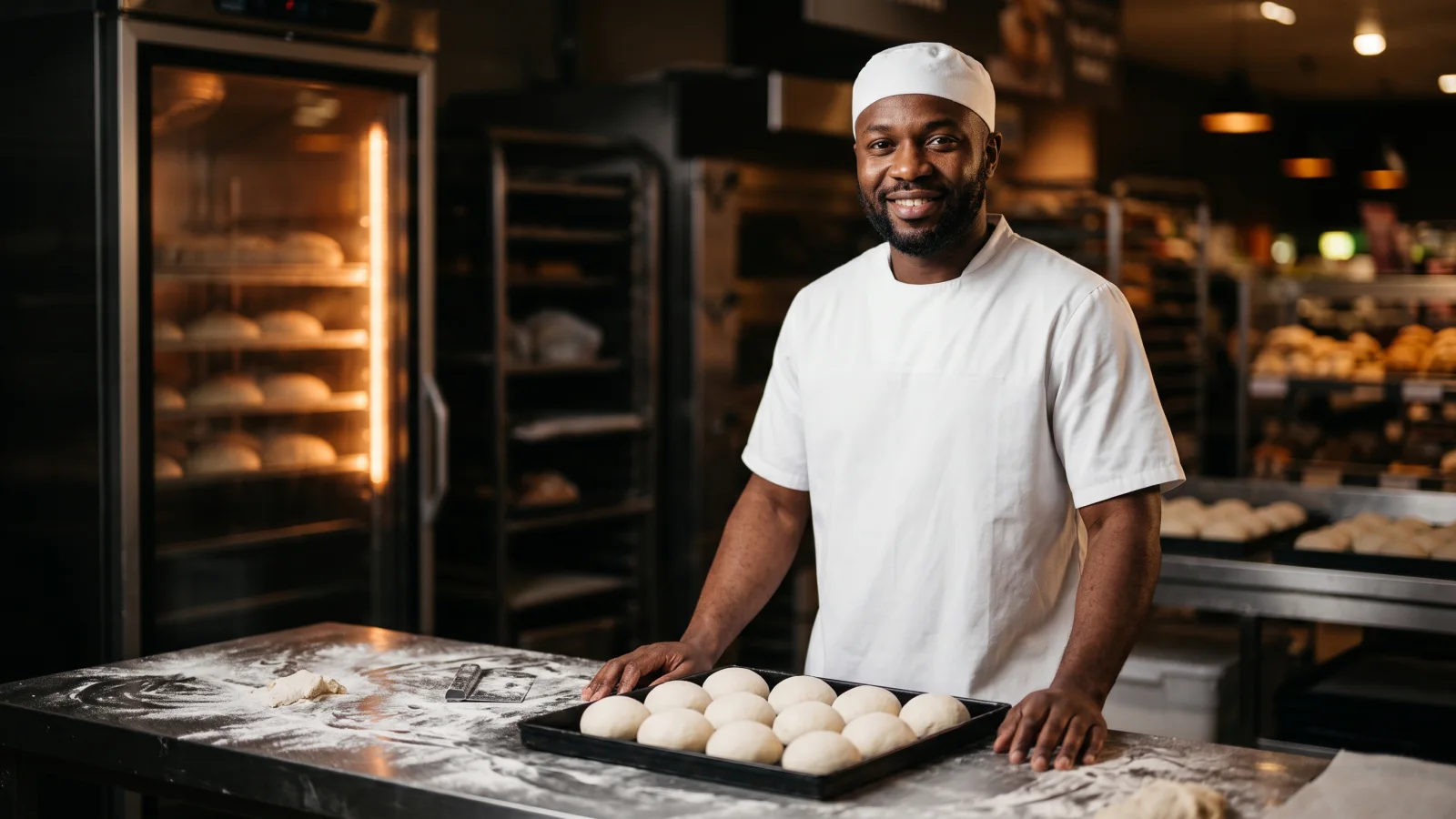
You follow hygiene rules all shift, not just at the start. GOV.UK sets out what food businesses must make sure their staff do, and your employer will train you on it.
The main rules for anyone handling food are:
You do not need a food hygiene certificate to get a bakery job. GOV.UK says food handlers do not have to hold one. Instead, employers must make sure staff are trained and should keep a record of that training.
Cleaning takes up a big part of the day. Trays, racks, mixers and work surfaces all need cleaning, often more than once a shift. Floors get flour on them fast, which can make them slippery.
How you clean matters too. The HSE's advice to bakeries is never to sweep up flour or blow it away with compressed air, because both put dust into the air. Wet cleaning or an industrial vacuum is safer.
Because almost everything in a bakery contains at least one. Getting an allergen label wrong can make a customer seriously ill.
GOV.UK lists 14 allergens that food businesses must manage. Several of them are everyday bakery ingredients: cereals containing gluten (such as wheat), eggs, milk, soya, sesame seeds, nuts and mustard.
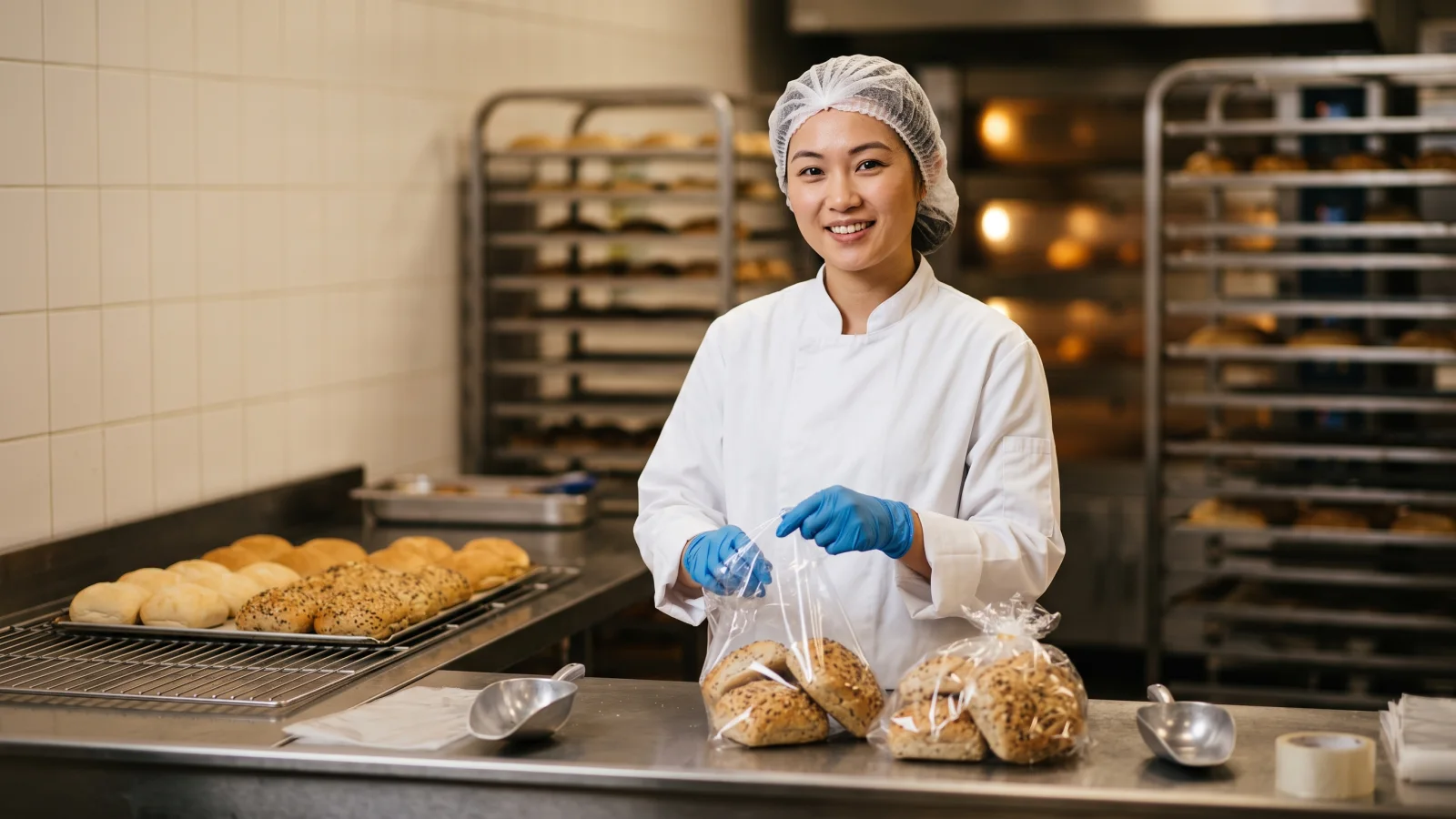
When a store packs food on its own premises before a customer picks it, that food is known as "prepacked for direct sale". Trading Standards' Business Companion guidance says its label must show the name of the food and a full ingredients list, with allergens emphasised every time they appear. So when you bag rolls or box cakes in the bakery, the right label matters.
In practice, this means:
Yes, and it is taken seriously. The HSE says flour dust and enzymes, such as amylase, are the second most common cause of occupational asthma. They can also cause skin problems.
Occupational asthma is asthma caused by your job. The HSE explains that once your airways become sensitised, even quite low levels of dust can set off an attack. Flour dust can also make your eyes water and your nose run.
In January 2026, the HSE announced inspections of large bakeries across Great Britain to check how they control exposure to flour dust. Those inspections are aimed at large bakeries, but the HSE's advice on flour dust is written for all bakers.
The HSE's advice to bakers includes simple habits that cut the dust:
The HSE says employers normally need to run health checks, called health surveillance, for bakery workers exposed to flour dust. Go to them. They can spot a problem early, before it becomes serious.
Your hands are wet a lot in a bakery, from washing and cleaning. The HSE warns that this raises the risk of dermatitis, a sore, red and sometimes blistered skin condition. Dry your hands properly and tell your manager if your skin starts to crack or itch.
Very. You are on your feet for most of the shift, lifting trays, pushing racks and working near hot ovens.
The National Careers Service describes baking work as physically demanding, dusty and sometimes noisy. Morrisons' adverts ask for people who enjoy "an active, hands-on role". Expect to bend, reach and carry all day.
Heat is part of it too. Oven doors, trays and racks get very hot, so oven gloves and care are part of every bake. Comfortable, non-slip shoes make a big difference. Your employer will usually say what footwear it expects.
Breaks help you keep going. If you are an adult working more than six hours, GOV.UK says you are entitled to one uninterrupted 20-minute break. You are also entitled to 11 hours' rest between working days, which matters if you switch between late and early shifts.
Most supermarket bakery roles are paid by the hour. When we checked in September 2026, Tesco published its bakery rates on its adverts, while Morrisons described its pay only as "competitive".
| Role (when we checked in September 2026) | Hourly pay advertised | Inside the M25 |
|---|---|---|
| Tesco Bakery Colleague and Trainee Baker | From £13.28 | £14.55 |
| Tesco Skilled Baker | From £13.38 | £14.59 |
| Morrisons Market Street Baker | "Competitive" (no rate given) | Not given |
Whoever you work for, you must be paid at least the legal minimum. From 1 April 2026, GOV.UK lists the National Living Wage for workers aged 21 and over as £12.71 an hour. The National Minimum Wage is £10.85 for 18 to 20 year olds and £8.00 for under-18s. The apprentice rate is also £8.00, for apprentices under 19 or in the first year of their apprenticeship.
The National Careers Service gives a yearly range for bakers of £19,000 for a starter to £26,000 for an experienced baker, for a working week of 40 to 45 hours. Many supermarket bakery jobs are part-time, so your pay depends on your contracted hours.
Contracts vary widely. The Tesco adverts we checked ranged from 16 to 30 hours a week, and said Tesco gives new colleagues at least 16 guaranteed hours unless they ask for fewer. Morrisons' adverts ranged from 20 to 36 hours.
Staff discount is a common perk. Tesco's adverts offered 10% off, rising to 15% on pay day weekends. Morrisons' adverts offered 15% off from your first day, plus a 10% card for a friend or family member.
You do not need to be a trained baker for most entry-level roles. Care, reliability and a willingness to learn matter more than experience.
Morrisons says it welcomes people from retail bakeries, commercial kitchens or other busy food jobs. Tesco also advertises Trainee Baker roles alongside its Skilled Baker ones. Skills that help include:
The National Careers Service says you can become a baker through a college course, an apprenticeship at Level 2 or 3, or by starting as a trainee or assistant. With experience, it lists bakery supervisor and production manager as next steps. Some bakers go on to open their own business.
If you like the shop floor, the skills also carry across. Our day in the life of a checkout assistant shows another common first job in the same stores.
Not usually. Many bakery assistant and trainee baker roles train you on the job. Skilled baker roles are more likely to ask for experience of baking from scratch.
It depends on the role. The Tesco bakery adverts we checked were for over-18s only, and Morrisons says some roles need you to be 18 for health and safety reasons. Check the advert before you apply.
No. GOV.UK says food handlers do not have to hold a certificate. Your employer must make sure you are trained and should keep a record of it.
Many are, but not all. Some bakery jobs are overnight, and others run into the afternoon or evening. The advert usually shows the days and times you need to be available.
Tell your manager and see your GP. The HSE says employers normally need to run health checks for workers exposed to flour dust. Catching a problem early matters.
We collect retail jobs from retailers' careers sites and job boards, so you can search them in one place. Start with our bakery jobs search or our baker jobs search. If you have a store in mind, read how to get a job at Tesco or how to get a job at Morrisons. Our membership adds job alerts and a tracker for your applications.
This is general information, not legal or careers advice. Check the retailer's advert and the official source before you act.
Where to look next
Keep reading
We would like to set one optional cookie that recognises your browser when you come back, so we can tell returning visitors from new ones. It stays off unless you say yes, and you can change your mind at any time. Cookies that keep you signed in are always on. Read our cookie policy